How to Choose a Budget Phone in 2026: 10 Things That Matter More Than the Price
Cheap phones have never been better — but some are much smarter buys than others. Here are the 10 things to check before you spend your money.

You don't need to spend $1,000 to get a great phone anymore. Today's budget and mid-range phones have big screens, huge batteries and cameras that would have been flagship-level a few years ago. But the cheap-phone market is also full of traps — phones that look great on paper and disappoint after six months.
Here's what actually matters when choosing an affordable phone.
1. Software updates (the most underrated spec)
How many years of Android and security updates a phone gets decides how long it stays safe and useful. Some budget phones now promise many years of updates, while others get only one or two. A phone with longer support is often the better deal, even if it costs a little more.
2. The processor
A weak chip makes everything feel slow — and it gets worse over time as apps get heavier. Look up reviews or benchmark comparisons rather than trusting marketing names, and avoid the cheapest chips if you plan to keep the phone for years.
3. RAM and storage
- RAM: aim for at least 6GB, ideally 8GB, so apps stay open in the background.
- Storage: 128GB is the realistic minimum today. Photos, videos and apps fill 64GB very quickly.
- microSD slot: a nice bonus if you want cheap extra storage — though fewer phones include one now.
4. The screen
You look at it all day, so it matters. An OLED display gives deeper blacks and better contrast, and a 90Hz or 120Hz refresh rate makes scrolling feel much smoother. Brightness matters too if you often use your phone outdoors.
5. Battery and charging
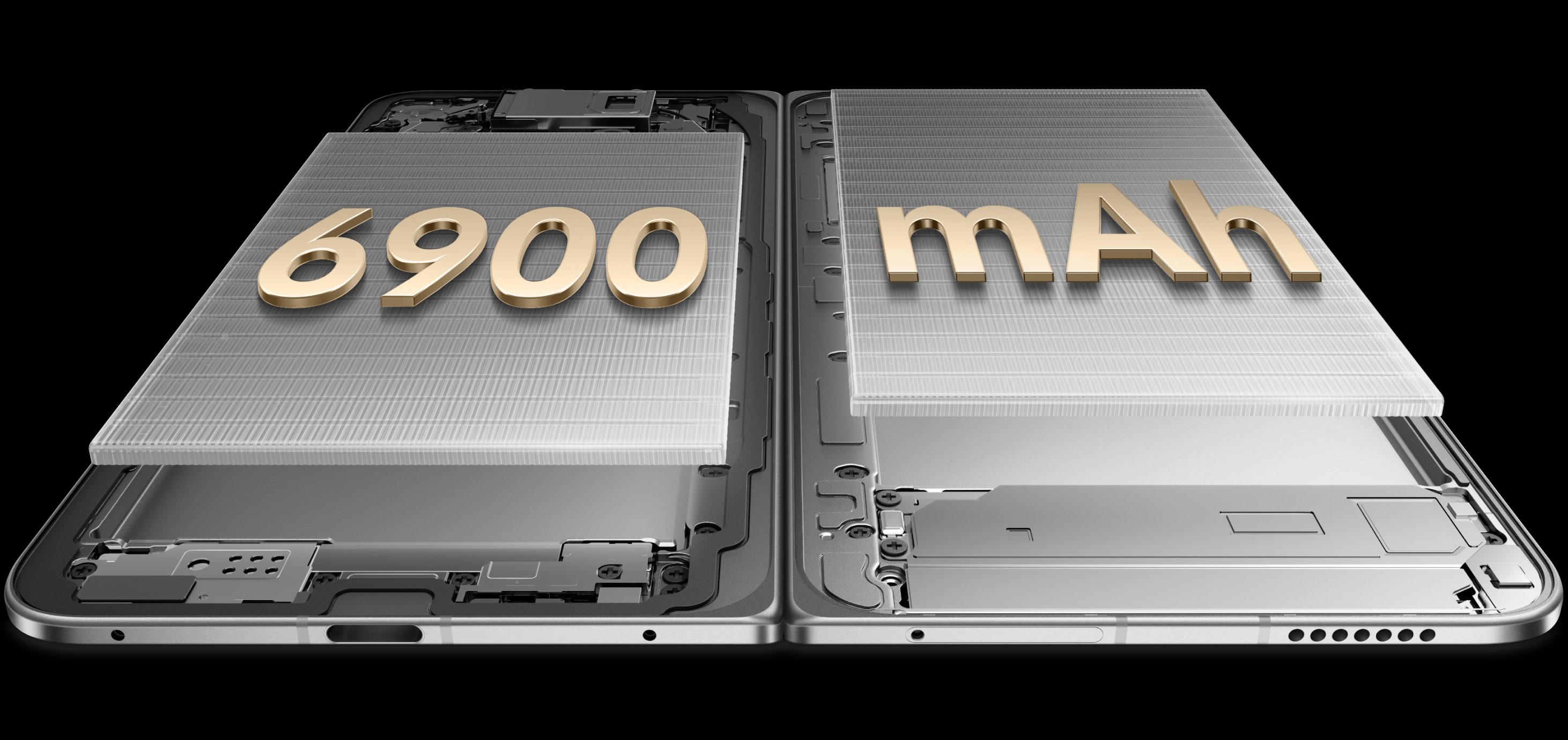
Battery sizes are growing fast. 5,000mAh is now normal, and newer battery technology is pushing some affordable phones to 7,000mAh or even 10,000mAh. Also check charging speed — and whether a charger is included in the box, as many brands no longer include one.
6. Cameras: ignore the megapixels
A big megapixel number doesn't mean better photos. What matters most is the main camera and the phone's image processing. Many cheap phones add 2MP "macro" or "depth" cameras just to look impressive on the spec sheet — they rarely help. Look at sample photos in reviews, especially in low light.
7. 5G and network bands
Not every phone works fully on every carrier, especially imported models. Check that the phone supports the 4G and 5G bands your carrier uses in your country.
8. Build and water resistance
An IP rating (like IP54 or IP67) tells you how well a phone resists dust and water. Even basic splash resistance is worth having. A case and screen protector are cheap insurance on any phone.
9. The little extras
- NFC for contactless payments
- A fingerprint reader that's fast and reliable
- Stereo speakers for videos and games
10. Consider last year's model or refurbished
A discounted flagship from a year or two ago, or a certified refurbished phone (including iPhones), can beat a brand-new budget phone — as long as it still has several years of software support left. Buy from a trusted seller with a warranty.
Quick checklist
| Check | Aim for |
|---|---|
| Software support | As many years as possible |
| RAM / storage | 6–8GB / 128GB+ |
| Screen | OLED and/or 90–120Hz |
| Battery | 5,000mAh or more |
| Cameras | A good main camera — check real samples |
| Network | Supports your carrier's 4G/5G bands |
| Extras | NFC, IP rating, reliable fingerprint reader |
What matters most to you in a phone: battery, camera or price?
Also see: every major phone launching in October 2026 and how to make your phone battery last longer.
Frequently asked questions
What is the most important thing to check when buying a budget phone?
How many years of Android and security updates it will get. Longer software support keeps a phone safe and useful for longer.
How much RAM and storage does a budget phone need?
Aim for at least 6GB of RAM, ideally 8GB, and at least 128GB of storage.
Do more camera megapixels mean better photos?
No. The main camera and the phone's image processing matter far more. Extra 2MP macro or depth cameras rarely help.
Is a refurbished phone a good idea?
Yes, if you buy from a trusted seller with a warranty and the phone still has several years of software support left.
Sources: Tom's Guide, vivo, Google Store. Images: Google, vivo.